

Austin Protective Orders Lawyer
When your personal safety or your children’s safety is at risk, the law provides tools to help you act quickly. In Texas, protective and restraining orders are powerful legal mechanisms designed to prevent harassment, abuse, and contact from individuals who pose a threat.
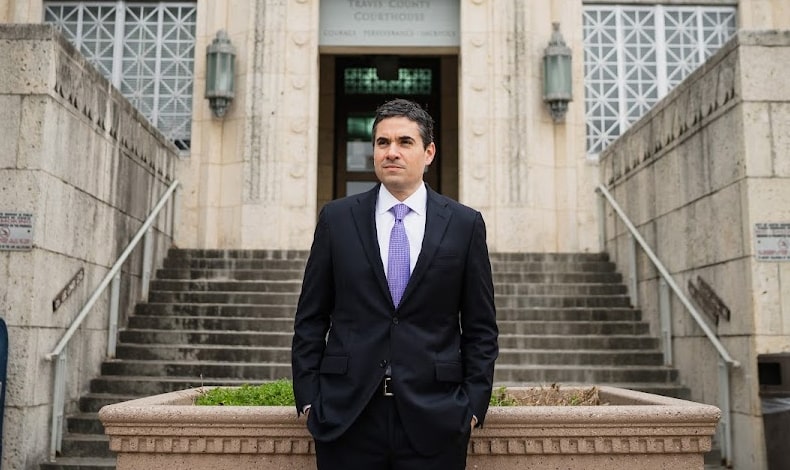
At the Law Office of Ben Carrasco, we represent individuals across Travis, Williamson, and Hays Counties who need immediate legal protection or must respond to an order filed against them. Ben Carrasco is Board-Certified in Family Law by the Texas Board of Legal Specialization. As a trusted restraining order lawyer, he leverages more than a decade of experience handling high-conflict family and domestic cases in Austin courts.
Contact The Law Office Of Ben Carrasco, PLLC
We live by our commitment to zealous advocacy and are passionate about your case. Whether you need assistance with a high-conflict divorce or a custody modification, our smart and responsive approach is designed to yield a positive outcome for you. Don’t hesitate to reach out.

Protective Orders Attorney in Austin, TX
A protective order—sometimes called a restraining order—is a legal boundary backed by the court’s authority. Violating it can result in criminal penalties, including fines and jail time. For victims of domestic violence, stalking, threats, or coercive control, these orders provide critical safety and peace of mind.
The process of securing a protective order can be emotional and intimidating. Many clients seek guidance from a protective order attorney after experiencing escalating threats, harassment, or violence during or after a divorce or child custody dispute. Our role is to ensure your petition is complete, your evidence is compelling, and your rights are fully protected.
If you believe you or your child is in danger, you don’t have to wait. Contact an Austin protective order lawyer for immediate assistance.


Ready to Get Started?
What Is a Protective or Restraining Order in Texas?
Under Texas Family Code §82, a protective order is a court order designed to prevent acts of family violence, stalking, or sexual assault. It restricts the alleged offender—called the respondent—from contacting, threatening, or coming near the protected party (the applicant).
A restraining order (often called a “temporary restraining order” or TRO) serves a similar purpose but is typically used in civil family law cases such as divorce or custody disputes. TROs may prohibit actions like removing children from the jurisdiction, emptying bank accounts, or harassing the other spouse while the case is pending.
Although the terms are sometimes used interchangeably, the two differ:
| Type of Order | Purpose | Issued In | Duration |
|---|---|---|---|
| Protective Order | Prevents family violence, stalking, or threats | Criminal or civil family court | Up to 2 years (can be extended) |
| Restraining Order (TRO) | Prevents misconduct or interference during pending cases | Civil family court | 14 days (can be extended until hearing) |
An experienced restraining order lawyer will help you understand which order you need and enforce it, ensuring your safety and a successful case outcome.
Types of Protective Orders in Texas
Texas law recognizes several types of protective orders, each suited to different situations and levels of risk. Knowing the distinctions helps ensure you pursue an appropriate legal remedy.
Temporary Ex Parte Protective Order
If there’s an immediate threat of harm, the court can issue a temporary ex parte order without notifying the alleged abuser. This order can last up to 20 days and is meant to provide rapid protection until a full hearing is held. The judge must find that there is a clear and present danger of family violence based on the applicant’s sworn affidavit and supporting evidence.
Permanent Protective Order
After a hearing where both parties can present evidence, the court may issue a final or permanent protective order if it finds that family violence has occurred and is likely to occur again. These orders generally last up to two years but can be extended in cases involving serious injury, repeated violence, or felony offenses.
Magistrate’s Order of Emergency Protection (MOEP)
Commonly called an Emergency Protective Order, a MOEP is issued by a criminal magistrate immediately after an arrest for domestic violence, sexual assault, or stalking. This order takes effect immediately and typically lasts from 31 to 91 days, depending on the circumstances. Victims don’t have to file for this order, as the court can issue it automatically upon arrest.
Temporary Restraining Order (TRO)
In family law, a Temporary Restraining Order is not a criminal order. It’s a civil measure used to maintain peace during a divorce or custody proceeding. TROs can prohibit one spouse from harassing the other, destroying property, or taking actions that could harm the marital estate or children. After 14 days, a hearing determines whether the TRO will become a temporary injunction.
Ready to Get Started?
When and Why You May Need a Protective Order
Protective orders are designed to intervene before violence escalates or to stop ongoing abuse. Texas law allows individuals to seek protection when they have experienced or reasonably fear acts of family violence, stalking, sexual assault, or harassment.
Common situations that justify seeking a protective order include:
- Physical violence or threats from a spouse, ex-partner, or family member
- Repeated harassment, stalking, or intimidation—online or in person
- Attempts to control your movements, finances, or communications (coercive control)
- Threats toward your children or attempts to remove them from your care
- Violence or harassment occurring during a divorce or child custody case
Protective orders are not limited to spouses. They can protect current or former dating partners, household members, relatives, and children.
In every case, Ben Carrasco helps clients gather police reports, text messages, photographs, and witness statements to strengthen their petition and demonstrate the immediate need for court protection.
If you believe you’re in danger, contact an Austin restraining order attorney right away. Waiting too long to act can increase the risk of harm and complicate your case.


How to File for a Protective Order in Travis County
Filing for a protective order involves several legal steps. Having experienced representation from a restraining order attorney is crucial—errors in filing or missed hearings can delay or deny the protection you need.
Here’s how the process typically works in Travis County and surrounding areas:
- File an Application – A verified petition is filed in the appropriate district or county court. It includes facts showing why protection is necessary. Your attorney prepares and files your petition based on your affidavit and supporting evidence.
- Temporary (Ex Parte Order) – If immediate danger exists, the judge may issue a temporary order without notice to the other party. The order is valid up to 20 days and provides short-term safety.
- Service of Process – The respondent (alleged abuser) must be officially served with notice of the hearing and a copy of the petition. Local law enforcement or a process server handles service.
- Hearing – Both parties present evidence and testimony before the court. Your attorney cross-examines witnesses and argues for continued protection.
- Final Order Issued – If the court finds that family violence occurred and is likely to occur again, it issues a final protective order. Orders may last up to two years, and violations can lead to arrest.
How Protective Orders Impact Divorce or Custody Cases
Protective and restraining orders can significantly influence the outcome of a divorce or child custody case. Courts are required to prioritize child safety and the prevention of family violence when making final decisions under the Texas Family Code.
Here’s how protective orders can affect key aspects of family law:
1. Child Custody and Visitation
If a court determines that family violence has occurred, it may:
- Restrict or deny the abusive parent’s visitation rights
- Require supervised visitation or neutral exchange locations
- Limit decision-making rights for the abusive parent
These restrictions aim to protect the child’s physical and emotional well-being while maintaining a connection to both parents when safe to do so.
2. Spousal Support and Financial Orders
Evidence of abuse can influence a court’s decision on spousal maintenance or temporary financial support. A spouse who is found to have committed family violence within two years of filing for divorce may be ordered to pay spousal maintenance under Texas law.
3. Property Division
When family violence is proven, the court can consider it a “just and right” factor during the division of community property. This may result in a disproportionate award to the victimized spouse.
4. Temporary Restraining Orders During Divorce
TROs are often used to prevent one spouse from:
- Emptying joint bank accounts
- Removing children from the county
- Selling, hiding, or damaging marital assets
- Harassing or threatening the other spouse
Violating a TRO can result in contempt of court, fines, and even jail time.
Because the legal consequences are severe, anyone subject to a restraining or protective order should consult an experienced Austin family law attorney immediately to understand their obligations and avoid violations.
Ready to Get Started?
What to Expect When Living with a Protective Order
Once a court issues a protective order, both parties must understand their rights and responsibilities under Texas law. Violating a protective order is a criminal offense, and enforcement is taken seriously by local law enforcement and family courts.
For the Protected Party
If you are the protected party:
- Always keep a copy of the protective order with you.
- Provide copies to your child’s school, employer, or daycare.
- Call 911 immediately if the restrained person violates the order.
- Document every contact or attempted contact, even indirect (text, social media, third-party messages).
- Continue to cooperate with your attorney and law enforcement to ensure enforcement.
Protective orders are not permanent barriers. They can be modified or extended depending on the situation. For example, a final protective order can be extended beyond two years if the abuser caused serious bodily injury or was convicted of a felony involving family violence.
For the Restrained Party
If you are the restrained individual (the respondent):
- Comply strictly with all terms of the order—no exceptions.
- Avoid any form of contact with the protected party, directly or indirectly.
- Do not attempt to return to shared residences or contact children unless expressly authorized.
- Violations can result in arrest, criminal contempt charges, and jail time.
Why Choose Ben Carrasco as Your Austin Protective Order Lawyer
When safety and freedom are on the line, you need precision, experience, and advocacy. Ben Carrasco, an Austin restraining order lawyer, brings all three.
- Board-Certified in Family Law by the Texas Board of Legal Specialization, a credential earned by less than 1% of Texas attorneys.
- Over a decade of experience representing clients in complex family law and domestic violence cases in Travis, Williamson, and Hays Counties.
- Proven success handling high-conflict divorces, custody battles, and emergency protective order hearings.
- Known for responsive, discreet, and strategic representation that prioritizes each client’s safety and peace of mind.
At the Law Office of Ben Carrasco, we understand that protective order cases are deeply personal. Every detail matters. Ben works closely with clients to file quickly, build strong evidentiary support, and advocate aggressively in court.
Frequently Asked Questions
Do I need an attorney for a restraining order?
Technically, you can file for a protective or restraining order without a lawyer—but it’s rarely advisable. The process involves detailed filings, strict evidence standards, and court appearances. Working with a skilled restraining order lawyer ensures your petition is airtight and helps you avoid procedural errors that can delay protection.
What is the protective order rule in Texas?
Under Texas Family Code §82, a protective order may be granted if family violence has occurred and is likely to happen again. The court must find sufficient evidence to justify protection for the applicant and household members.
What is the burden of proof for a protective order in Texas?
The petitioner must prove by a “preponderance of the evidence,” meaning it is more likely than not that family violence occurred and may happen again. This standard is lower than the “beyond a reasonable doubt” standard that applies in criminal cases.
What type of lawyer handles restraining orders?
Restraining and protective order cases in Texas are handled by family law attorneys, especially those experienced in domestic violence, custody disputes, and divorce.
What’s the difference between a restraining order and a protective order in Texas?
A protective order is a legal order intended to prevent acts of violence or harassment, often with criminal enforcement mechanisms. A restraining order, on the other hand, is usually part of a civil family case and is meant to preserve the status quo—such as preventing asset dissipation or harassment—during ongoing litigation.
Schedule a Confidential Consultation with Ben Carrasco
If you or your children are in danger, time matters. The sooner you connect with an Austin restraining order law firm, the stronger your legal protection will be. Whether you need help filing for a protective order, responding to one, or understanding how it affects your divorce or custody case, Ben Carrasco provides the experienced guidance you need.
At the Law Office of Ben Carrasco, every client receives:
- A confidential consultation
- A personalized legal strategy based on your safety and long-term goals
- Clear communication from start to finish
Don’t wait until the situation escalates. Take control of your safety and your future today. Schedule your confidential consultation with a restraining order lawyer today.